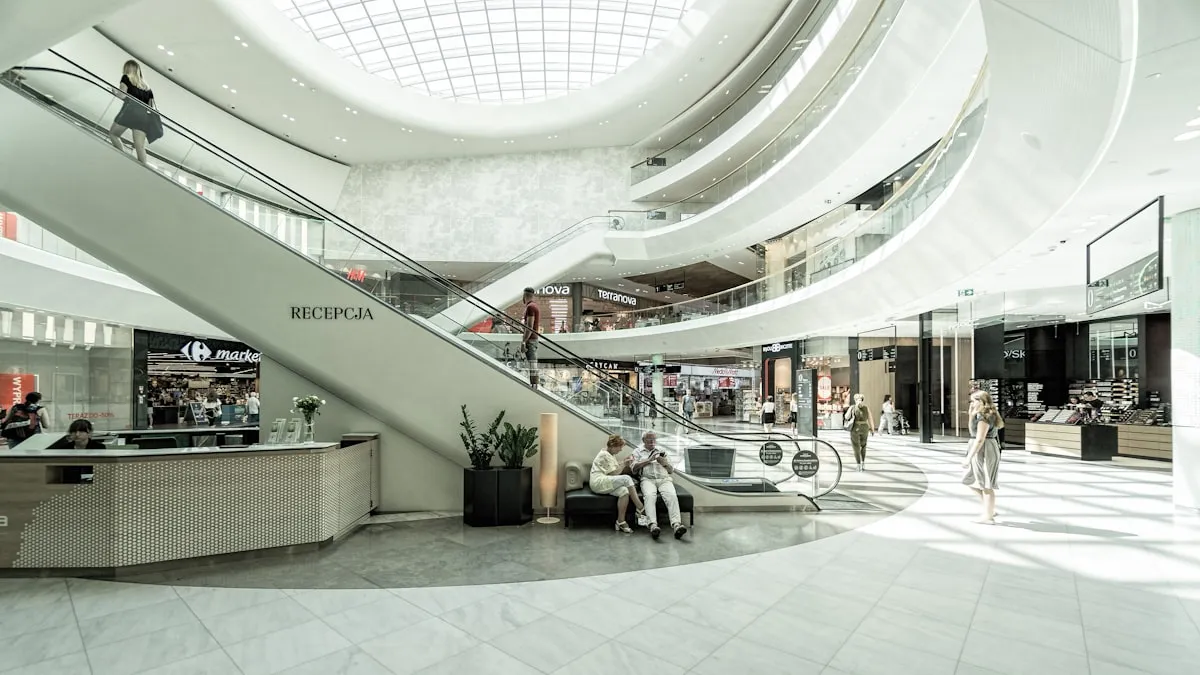
When you need to scent a 10,000-square-foot retail floor, a casino gaming area, an airport terminal, or a convention center, the rules are different from scenting a living room. You need a commercial fragrance system engineered for consistent coverage across large, high-traffic areas, and a retail scent strategy that aligns fragrance with your brand's customer experience goals. This guide helps procurement teams and facility managers evaluate their options.
Understanding Commercial Scent Diffuser Categories
A scent diffuser for business falls into one of three categories based on coverage capacity and installation method:
Standalone Commercial Units
Freestanding or wall-mounted cold air diffusers designed for spaces up to 5,000 square feet. These are the most flexible option, no HVAC modification required, easy to relocate, and simple to maintain. Most commercial standalone units use nebulizing technology to deliver a dry mist of pure fragrance oil.
Best for: Retail stores, boutiques, showrooms, dental offices, small restaurants, and any business looking to start a scent program without infrastructure changes.
Large Area Scent Diffusers
For venues that need to cover 5,000 to 50,000+ square feet, a large area scent diffuser is typically HVAC-integrated, connected to the building's ventilation system to distribute fragrance through existing ductwork. These systems are the standard for casinos, airports, exhibition halls, large retail flagships, and multi-story commercial buildings.
Best for: Casinos, airports, convention centers, large department stores, luxury auto dealerships, and any venue where uniform scenting across a massive footprint is required.
Multi-Zone Commercial Systems
Advanced commercial fragrance systems support multiple fragrance zones from a single control unit. These allow different fragrances in different areas, fresh citrus in the entrance, warm amber in the lounge, clean linen in restrooms, all managed from one central controller or building management system.
Best for: Hotels, mixed-use developments, resorts, corporate headquarters, and any environment with distinct functional zones requiring different scent identities.
Retail Scent Strategy: Beyond Just Smelling Good
Installing a diffuser is a hardware decision. Building a retail scent strategy is a brand decision. The most successful commercial scent programs start with strategic questions, not product specifications:
- What emotion should this space evoke? A luxury jewelry store needs sophistication and exclusivity. A family-friendly restaurant needs warmth and comfort. A fitness studio needs energy and motivation
- Where is the highest-impact scenting zone? For retail, it's typically the entrance, the first olfactory impression determines whether a passerby becomes a browser. For offices, it's the reception area where client impressions are formed
- How will you measure results? Scent marketing is measurable. Track dwell time, foot traffic conversion, average transaction value, and customer satisfaction scores before and after scent implementation. The data consistently shows positive movement across all metrics
- What's your seasonal rotation plan? Many retail environments benefit from seasonal scent shifts, lighter florals and citrus in spring/summer, warmer spices and woods in fall/winter. This keeps the scent experience fresh for repeat visitors
What to Evaluate When Purchasing
When comparing commercial scent solutions, evaluate these factors:
- Coverage rating: Measured in square feet. Always verify the manufacturer's coverage claims are based on standard ceiling heights and ventilation conditions similar to your space
- Oil consumption rate: How many milliliters per hour does the system use? This directly impacts ongoing operating cost. More efficient systems use less oil for the same perceived intensity
- Noise level: Some nebulizing units produce audible pumping sounds. In quiet environments (spas, medical offices, luxury retail), noise levels must be tested in situ
- Maintenance requirements: How often does the system need cleaning, filter replacement, or technician service? Lower-maintenance systems reduce operational burden
- Oil flexibility: Can the system use any fragrance oil, or does it require proprietary refills? Open systems give you more control over fragrance selection and cost per refill
- Warranty and support: Commercial systems should carry a minimum 1-year warranty with responsive service support, downtime means gaps in your brand experience
The scent marketing industry is projected to reach $6.4 billion by 2033, growing at 6.6% annually. For commercial buyers, scent is no longer experimental, it's infrastructure.
Scentpression Commercial Solutions
At Scentpression, we work with commercial clients across hospitality, retail, real estate, and corporate environments. Our approach starts with a free consultation and site assessment, then moves through fragrance selection, equipment specification, installation, and ongoing oil replenishment service.
We specialize in environments where scent is a competitive differentiator, luxury properties, high-traffic retail, and premium service environments across the Caribbean and South Florida. Our team understands the unique demands of commercial scenting and provides turnkey solutions from first consultation to ongoing maintenance.
Need a Commercial Scent Solution?
Book a free consultation and let us assess your space for the right commercial fragrance system.
Book Your Consultation