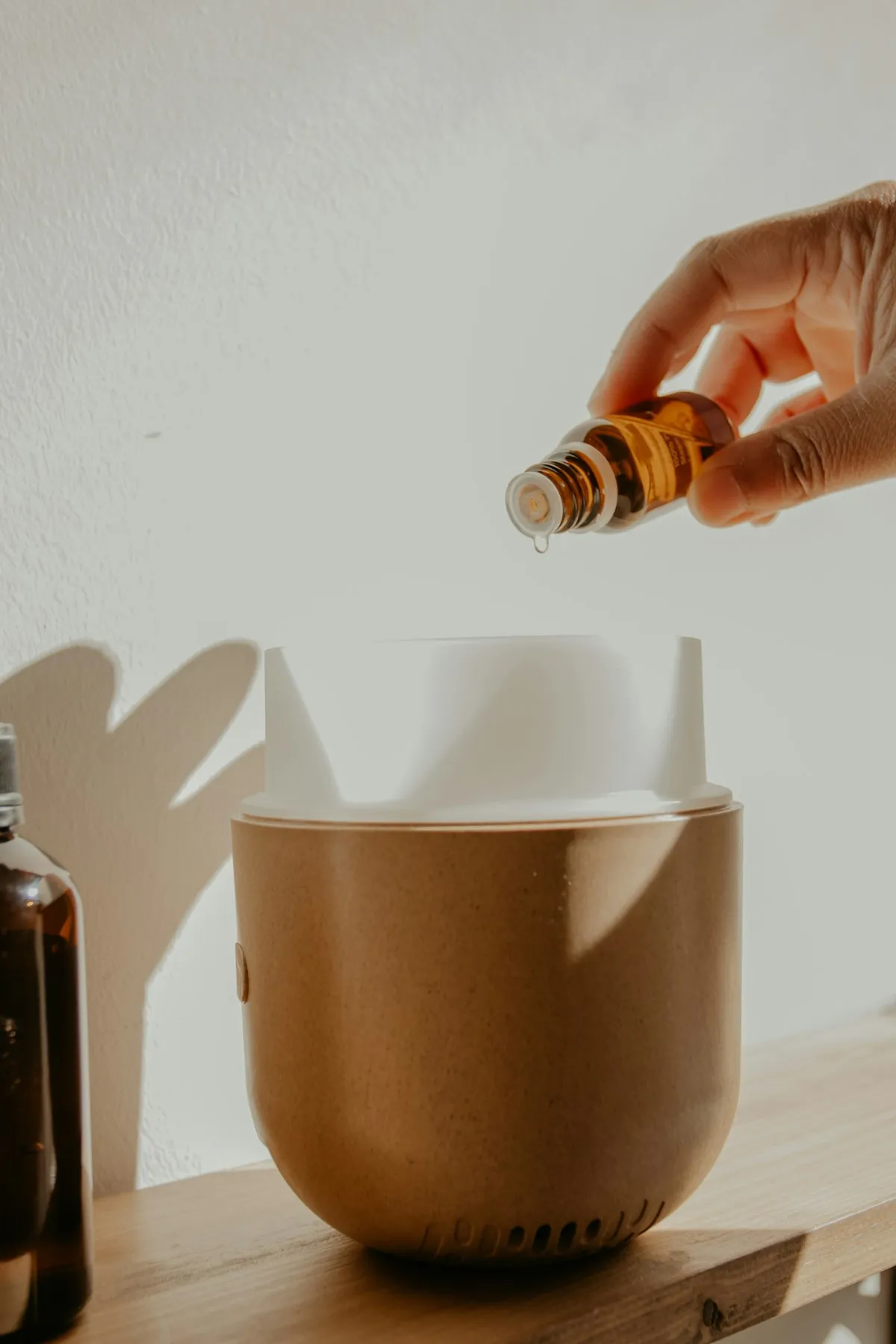
The home diffuser market has never been more diverse, or more confusing. Walk into any home goods store and you'll find dozens of options ranging from $15 ultrasonic humidifiers to $300 cold air nebulizers. Search online for an essential oil diffuser and you'll be overwhelmed by thousands of results. This guide cuts through the noise and explains exactly what each type of diffuser does, who it's best for, and what to look for before you buy.
Types of Home Diffusers Explained
Ultrasonic Diffusers
The ultrasonic diffuser is the most popular type of aroma diffuser on the market today, and for good reason. These devices use high-frequency vibrations to break essential oils and water into a fine, cool mist. They're affordable, widely available, and double as light humidifiers, making them especially appealing in dry climates or during winter months.
Ultrasonic models dominate search trends, peaking at an index of 91 during back-to-school and early holiday seasons. They're the go-to starter device for anyone entering the world of home fragrance.
Best for: Bedrooms, small offices, and anyone looking for an affordable entry into home aromatherapy. Look for models with timer settings and auto-shutoff for safety.
Limitations: Because ultrasonic diffusers mix oil with water, the scent is diluted. Coverage is typically limited to one room, and the water reservoir needs regular cleaning to prevent mold buildup.
Nebulizing (Cold-Air) Diffusers
Nebulizing diffusers, also called cold air diffusion systems, deliver pure fragrance oil as a dry nano-mist without water or heat. This is the technology used in professional and commercial scenting environments, and it's increasingly available for home use. The scent is richer, more true-to-oil, and covers significantly larger areas.
Best for: Living rooms, open floor plans, and anyone who wants the most authentic fragrance experience. These are the professional-grade option for serious home fragrance enthusiasts.
Limitations: Higher price point than ultrasonic models, and they consume fragrance oil faster because the oil isn't diluted with water.
Heat Diffusers
Heat diffusers use a warming element, a candle, electric plate, or heated ceramic, to gently evaporate essential oils. They're simple, silent, and require no electricity in candle-based versions.
Best for: Small spaces where simplicity and ambiance matter more than coverage area. Tea light warmers create a cozy visual element alongside fragrance.
Limitations: Heat degrades some volatile compounds in essential oils, which can alter the scent profile. Not ideal for therapeutic-grade aromatherapy.
Evaporative Diffusers
Reed diffusers, fan diffusers, and terra cotta diffusers all use evaporation, air movement across an oil-saturated surface, to disperse fragrance. Reed diffusers are the most common, using wooden or rattan sticks that wick oil upward and release it into the air.
Best for: Bathrooms, entryways, and small rooms where a subtle, continuous fragrance is preferred. Zero maintenance and no electricity required.
Limitations: Very limited coverage area. Scent intensity fades as oil level drops and reeds become saturated. Cannot be scheduled or controlled.
Aromatherapy Diffusers: The Wellness Angle
An aromatherapy diffuser is any diffuser used specifically for therapeutic purposes, stress relief, sleep improvement, focus enhancement, or mood regulation. The device itself may be ultrasonic, nebulizing, or evaporative. What makes it an "aromatherapy" diffuser is the intent and the oils used.
The wellness market has driven enormous growth in this category, with search interest spiking each spring as consumers invest in self-care routines. Lavender for sleep, peppermint for focus, eucalyptus for respiratory wellness, and chamomile for anxiety reduction are among the most popular therapeutic applications.
When shopping for an aromatherapy diffuser specifically, prioritize devices that don't use heat (which degrades therapeutic compounds) and that offer timer controls for consistent, low-level diffusion during sleep or work sessions.
Choosing the Right Diffuser: A Decision Framework
Rather than choosing based on price alone, match your diffuser to your primary use case:
- I want to scent my whole home: Nebulizing/cold air diffuser or a multi-room smart diffuser system
- I want affordable aromatherapy for my bedroom: Ultrasonic diffuser with timer and auto-shutoff
- I want zero-maintenance background fragrance: Reed diffuser or terra cotta diffuser
- I want to create a luxury hotel-like experience: Cold-air diffusion with premium fragrance oils, this is what hotels actually use
- I want tech integration and scheduling: Smart diffuser with app control and IoT connectivity
Seasonal Buying Trends
If you're shopping for a diffuser, or giving one as a gift, timing matters. Essential oil diffuser searches peak in December around holiday gifting season. Home diffuser interest surges in January with New Year wellness resolutions. Aroma diffuser searches climb in November during pre-holiday shopping. And ultrasonic models see a secondary peak in August during back-to-school preparation.
For the best deals, shop slightly ahead of these seasonal peaks, early November for holiday gifts, late December for New Year wellness buys.
The Scentpression Approach
At Scentpression, we specialize in cold air diffusion, the same technology trusted by five-star hotels, luxury retailers, and premium commercial spaces. Our fragrance oils are formulated specifically for nebulizing systems, delivering richer, longer-lasting scent profiles than water-diluted alternatives.
Whether you're upgrading from an ultrasonic diffuser or setting up your first home fragrance system, our free consultation helps you choose the right device and the right scent for every room in your home.
Find Your Perfect Diffuser Setup
Book a free consultation and let us recommend the ideal diffuser and fragrance pairing for your home.
Book Your Consultation