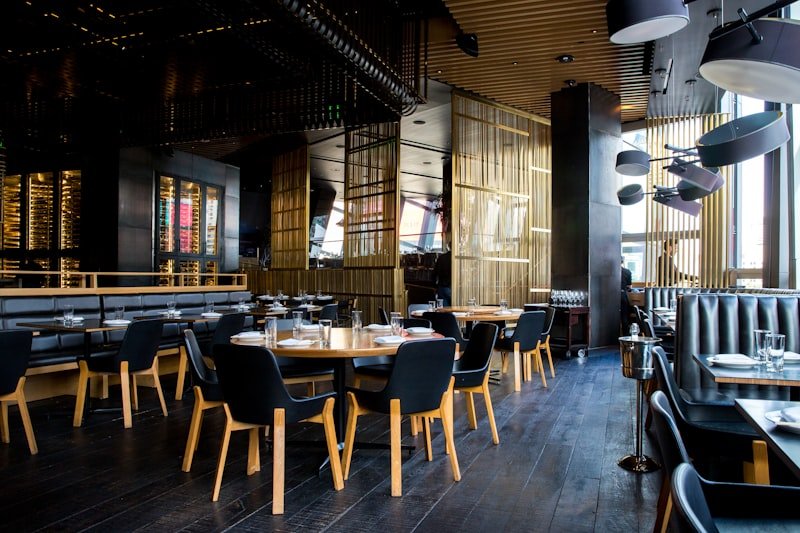
Before a single dish leaves the kitchen, your restaurant is already telling a story. The lighting, the music, the textures, they all contribute to the atmosphere. But the most powerful storytelling tool in your space is invisible: scent. It shapes first impressions, primes the palate, and determines whether a guest remembers your restaurant as an experience or just another meal.
The Science: Why Scent Shapes the Dining Experience
Smell and taste are neurologically intertwined. Up to 80% of what we perceive as flavor actually comes from our sense of smell. This means the ambient scent in your restaurant isn't just background atmosphere, it's actively shaping how your food tastes to guests.
Research in sensory marketing reveals several powerful effects of ambient scenting in dining environments:
- Increased dwell time by 15-20%, guests stay longer in pleasantly scented spaces, ordering that extra cocktail or dessert they'd otherwise skip
- Higher perceived food quality, studies show diners rate identical dishes higher when the ambient environment smells intentional and appealing
- Stronger emotional memory, scent is processed through the limbic system, the brain's emotional center, making scented dining experiences far more memorable
- Increased willingness to pay, pleasant ambient scents elevate perceived value, making guests more comfortable with premium pricing
Beyond Kitchen Aromas: Intentional Scent Design
Many restaurant owners assume their kitchen produces enough scent. But kitchen aromas are uncontrolled, they fluctuate with the menu, compete with less pleasant smells from cooking processes, and disappear entirely in outdoor or open concept spaces. Grease, smoke, and cleaning chemicals often overpower the appetizing aromas you want guests to notice.
Intentional scent design is different. It creates a consistent, curated olfactory environment that complements your cuisine without competing with it. The goal isn't to smell like food. It's to create an emotional atmosphere that makes the food taste better.
Matching Scent to Cuisine and Concept
The fragrance must be congruent with your restaurant's identity. A mismatch between scent and concept creates cognitive dissonance that guests can feel even if they can't articulate it. Here's how different restaurant concepts benefit from different scent strategies:
- Fine dining, subtle warm notes like sandalwood, vanilla, and soft amber create sophistication and encourage slow, savored meals
- Italian and Mediterranean, herbal notes of rosemary, basil, and citrus prime the palate for the flavors to come
- Steakhouses and grills, smoky cedar, leather, and warm spice reinforce the hearty, indulgent positioning
- Sushi and Japanese, clean bamboo, green tea, and subtle floral notes create the precision and calm these cuisines demand
- Bars and lounges, rich amber, dark vanilla, and oud create intimacy and encourage guests to settle in
- Cafes and brunch spots, warm pastry notes, cinnamon, and fresh citrus create inviting energy without overwhelming
Where to Scent: Strategic Placement
Not every square foot of your restaurant needs the same treatment. Smart scent zoning targets the areas with the highest impact:
- The entrance and host stand, this is where first impressions form. A welcoming scent within the first three seconds sets the tone for the entire experience
- Dining rooms, subtle, consistent fragrance that complements rather than competes with food aromas
- Restrooms, often overlooked, but a poorly maintained restroom scent can undo everything. Fresh, clean fragrances maintain the experience from table to restroom and back
- Private dining and event spaces, customizable scent profiles for special occasions add a layer of exclusivity
- Outdoor patios, where natural air flow dissipates kitchen aromas quickly, portable diffusers maintain atmosphere even in open air settings
The Technology: Cold Air Diffusion for Restaurants
Traditional candles and plug in air fresheners have no place in a professional kitchen environment. Cold air diffusion technology converts fragrance oils into a dry vapor with no heat, no flame, and no residue. It's safe for food service environments, won't trigger fire suppression systems, and delivers consistent coverage across large or irregularly shaped spaces.
A single Scentpression cold air diffuser can cover 2,000 to 5,000 square feet, making it ideal for restaurants of all sizes. The intensity is adjustable by zone, so your entrance can carry a stronger signature scent while dining areas remain subtle.
ROI for Restaurant Owners
The math is straightforward. If ambient scenting increases average check size by even 5% through longer dwell times and additional orders, a restaurant doing $80,000 per month in revenue gains $4,000 in monthly sales. Against a typical scenting investment of $80 to $120 per month in fragrance oil, the return is significant.
Beyond revenue, consider the lifetime value of a memorable dining experience. Guests who form emotional connections with your space return more frequently, recommend you more enthusiastically, and are more forgiving when things aren't perfect. Scent is one of the most cost effective tools for building that connection.
Getting Started with Restaurant Scenting
Every restaurant is different. The right scent strategy depends on your cuisine, your brand, your space layout, and even your HVAC setup. We start with a complimentary consultation to understand your vision, then recommend fragrance profiles from our catalog of 240+ curated scents that align with your concept.
Explore our restaurant scent marketing solutions or book a free consultation to discover how fragrance can become part of your restaurant's signature.
Ready to Elevate Your Dining Experience?
Book a free consultation and discover the fragrance that complements your cuisine and captivates your guests.
Book Your Consultation