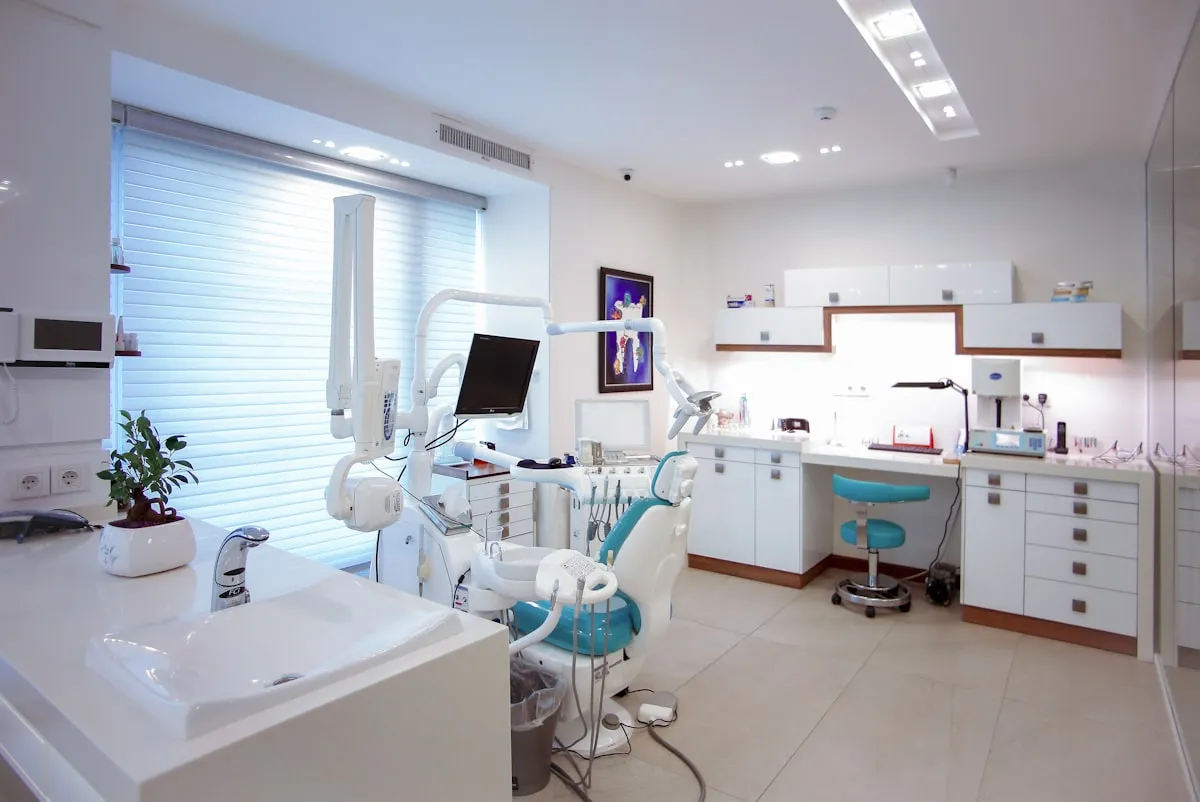
Walk into most medical facilities and the first thing you notice is the smell, antiseptic, clinical, sterile. For many patients, that smell alone triggers anxiety before they ever see a doctor. Scent marketing for medical facilities addresses this head-on, using carefully selected fragrances to reduce anxiety, improve patient comfort, and create healing environments that feel less institutional and more humane.
The Problem: Clinical Smell Triggers Anxiety
Research in environmental psychology has shown that the characteristic smell of medical environments, cleaning chemicals, antiseptic solutions, and latex, activates stress responses in patients. This is a conditioned response: the brain associates these smells with past medical experiences, many of which involved pain, fear, or discomfort.
The result is elevated anxiety before treatment even begins. Dental offices experience this most acutely, the smell of a dental practice is one of the most commonly cited triggers for dental phobia. But the same dynamic plays out in hospitals, clinics, imaging centers, and even veterinary offices.
Strategic scenting doesn't eliminate clinical smells entirely, nor should it, as some clinical scents serve important hygiene-signaling functions. Instead, it layers calming ambient fragrances that shift the dominant olfactory impression from clinical to comforting.
Evidence-Based Scent Selection for Healthcare
Healthcare scenting requires more rigor than retail or hospitality scenting. Fragrance choices must be backed by evidence, hypoallergenic, and appropriate for sensitive populations including children, elderly patients, and immunocompromised individuals.
The most effective scents for healthcare environments include:
- Lavender: The most-studied calming scent. Peer-reviewed research shows it reduces pre-operative anxiety, lowers blood pressure in waiting rooms, and improves patient satisfaction scores. Effective in waiting areas, pre-op holding rooms, and recovery spaces
- Eucalyptus: Provides a clean, fresh impression that counteracts clinical odors without triggering the same stress associations. Its respiratory-clearing properties make it particularly appropriate for pulmonary and allergy clinics
- Seaside Driftwood: A blend that evokes coastal calm, ocean air, sun-washed driftwood, and clean marine notes. This type of nature-inspired scent profile creates a mental escape from the clinical setting, particularly effective in treatment rooms where patients undergo longer procedures
- Citrus (light): Gentle orange or bergamot notes at low intensity can improve mood and create a welcoming impression in reception areas without being overpowering or polarizing
- Green tea: A neutral, universally pleasant scent that's rarely an allergen trigger and creates a sense of cleanliness and freshness without the clinical associations of antiseptic
A/B Testing Scent Placement in Medical Facilities
One of the emerging trends in healthcare scenting is A/B testing scent placement, applying the same data-driven approach used in digital marketing to evaluate which fragrances, intensities, and placement strategies produce the best patient outcomes.
Here's how a healthcare A/B scent test works:
- Define the metric: What are you trying to improve? Patient anxiety scores (measured via pre/post surveys), perceived wait time, patient satisfaction (NPS or HCAHPS scores), or staff stress levels
- Control period: Run the facility without ambient scenting for a defined period (typically 2-4 weeks) and collect baseline data on your chosen metric
- Test period A: Introduce scent option A (e.g., lavender at moderate intensity in the waiting room) for the same duration and collect the same metrics
- Test period B: Switch to scent option B (e.g., green tea at light intensity) and repeat the measurement
- Analyze and implement: Compare results across all three periods. The scent that produces the most significant improvement in your target metric becomes your operational standard
This approach removes guesswork and subjectivity from fragrance selection. It turns scent from an aesthetic choice into a performance-based investment with measurable returns, a framework that resonates with data-driven healthcare administrators.
Scent Zones in Healthcare Facilities
Different areas of a medical facility serve different emotional functions, and scenting should reflect that:
- Reception & Waiting Areas: Calming, welcoming scents at moderate intensity. The goal is to reduce the anxiety spike that occurs upon arrival. Lavender-citrus blends work well here
- Treatment Rooms: Subtle, neutral scents at low intensity. Avoid anything that could interact with medications or trigger nausea in sensitive patients. Green tea or light oceanic notes are safe choices
- Recovery Areas: Comforting, restorative scents. Vanilla and chamomile promote feelings of safety. Keep intensity very low, recovering patients are often more sensitive to stimuli
- Staff Areas: Energizing scents like peppermint or rosemary to combat fatigue during long shifts. Healthcare workers benefit from functional fragrance just as much as patients
- Restrooms: Fresh, clean scents, eucalyptus or ozonic notes that signal cleanliness without masking
Healthcare scenting isn't about making a hospital smell like a spa. It's about removing the olfactory triggers that make patients feel worse, and replacing them with signals that promote calm, comfort, and trust.
Implementation Considerations
Healthcare scenting requires additional care beyond standard commercial scenting:
- Hypoallergenic formulations: All fragrances must be tested and certified as low-allergen. Avoid common sensitizers including certain tree nut oils, cinnamon derivatives, and synthetic musks
- Intensity control: Medical environments demand lower scent intensity than retail or hospitality. Patients should barely notice the fragrance consciously, it should work at a subliminal level
- Infection control compliance: Diffusion systems must not introduce moisture (eliminating ultrasonic diffusers) or particles that could compromise air quality standards. Cold-air nebulization is the appropriate technology
- Staff input: Nurses and clinical staff spend the most time in scented areas. Their comfort and preferences should be part of the selection process
At Scentpression, we work with healthcare facilities to develop scenting programs that meet clinical standards while meaningfully improving the patient experience. Our free consultation includes a site assessment specific to medical environments, with attention to air handling, patient flow, and sensitivity considerations.
Create a Calmer Healthcare Environment
Book a free consultation and let us design an evidence-based scent program for your medical facility.
Book Your Consultation