If you've ever struggled to fall asleep, you know that the environment matters. Temperature, light, and sound all play a role, but one of the most powerful and underutilized sleep tools is scent. Research shows that certain fragrances can lower heart rate, reduce cortisol levels, and prepare the body for deeper, more restorative sleep.
The connection between scent and sleep isn't new age wellness talk, it's neuroscience. When you inhale calming fragrance molecules, your olfactory system sends signals directly to the brain's limbic region, activating the parasympathetic nervous system and shifting your body into rest-and-digest mode.
The best part? Unlike supplements or medications, scent-based sleep support is non-invasive, non-habit-forming, and can be integrated into your nightly routine in minutes. Here are the scents backed by the most compelling research.
Lavender: The Gold Standard
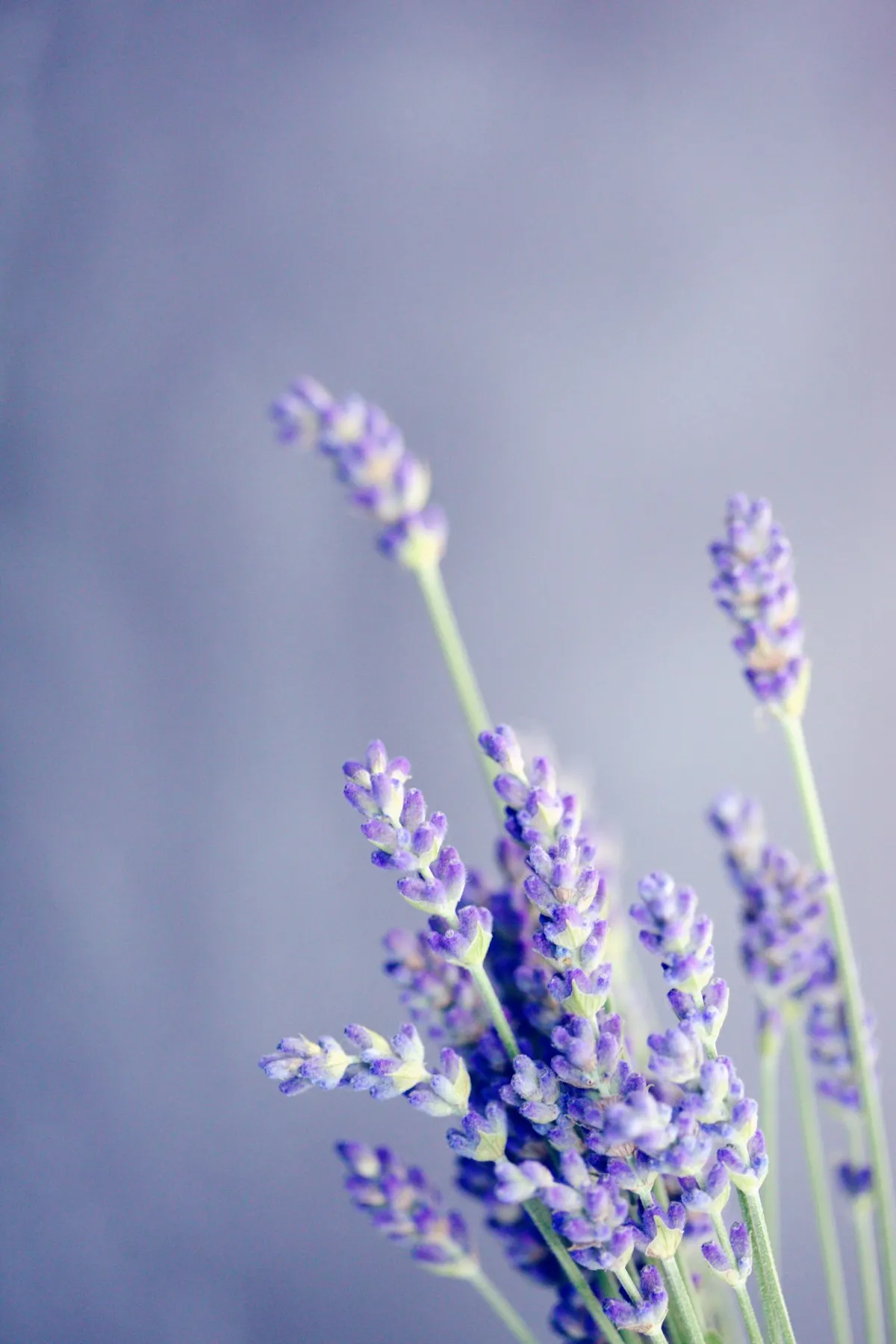
Lavender is the most studied sleep-promoting scent in the world. Multiple clinical trials have demonstrated that inhaling lavender essential oil before bed increases slow-wave sleep (deep sleep), reduces nighttime awakenings, and improves overall sleep quality. A 2015 study in the Journal of Alternative and Complementary Medicine found that participants who inhaled lavender reported 20% better sleep quality compared to a control group.
Chamomile and Bergamot
Chamomile has been used as a calming agent for centuries, and modern research confirms its sedative properties extend beyond tea. Inhaled chamomile reduces anxiety markers and promotes relaxation. Bergamot, a citrus fruit with uniquely calming properties, has been shown to lower cortisol and reduce blood pressure, making it an excellent complement to a bedtime scent routine.
Cedarwood and Sandalwood
Woody scents like cedarwood and sandalwood contain compounds called sesquiterpenes that have documented sedative effects. Cedarwood oil in particular contains cedrol, which research published in the Japanese Journal of Pharmacology found to significantly increase total sleep time. These warm, grounding fragrances are ideal for creating a cocooning bedroom atmosphere.
How to Build a Bedtime Scent Routine
Consistency is key. Your brain learns to associate specific scents with sleep over time, making them more effective the longer you use them. Start diffusing your chosen sleep scent 20 to 30 minutes before bed, and pair it with other wind-down rituals like dimming lights and putting away screens. A cold air diffuser in the bedroom ensures subtle, consistent fragrance delivery without the fire risk of candles or the moisture of ultrasonic diffusers.
Frequently Asked Questions
Can I use scent diffusion all night while I sleep?
Yes, cold air diffusion systems are safe for overnight use. Many models include interval timers so the scent pulses gently throughout the night without becoming overwhelming.
Which scent is best for people who don't like floral fragrances?
Cedarwood and sandalwood are excellent non-floral options. Their warm, woody profiles are universally appealing and just as effective for promoting relaxation and sleep.
How long does it take for sleep scents to start working?
Most people notice a difference within the first week. However, the effect strengthens over time as your brain builds a conditioned association between the scent and sleep.
Ready to Transform Your Sleep?
Explore our wellness-focused fragrances and find the perfect scent for your bedroom.
Book Your Consultation